As commercial fisheries move further into digital reporting and real-time data use, there is a growing role for platforms such as Deckhand, that can capture and use fisheries data in more timely and practical ways.
In 2025, Dragonfly Data Science began a partnership with Australian-based company Real Time Data (RTD) to operate their electronic logbook platform, Deckhand, in New Zealand.
This collaboration combines the strengths of both companies, blending fisheries science and software development expertise to help improve the quality and usability of fisheries data.
Both organisations place strong emphasis on working directly with fishers to understand how the system performs in real-world conditions.
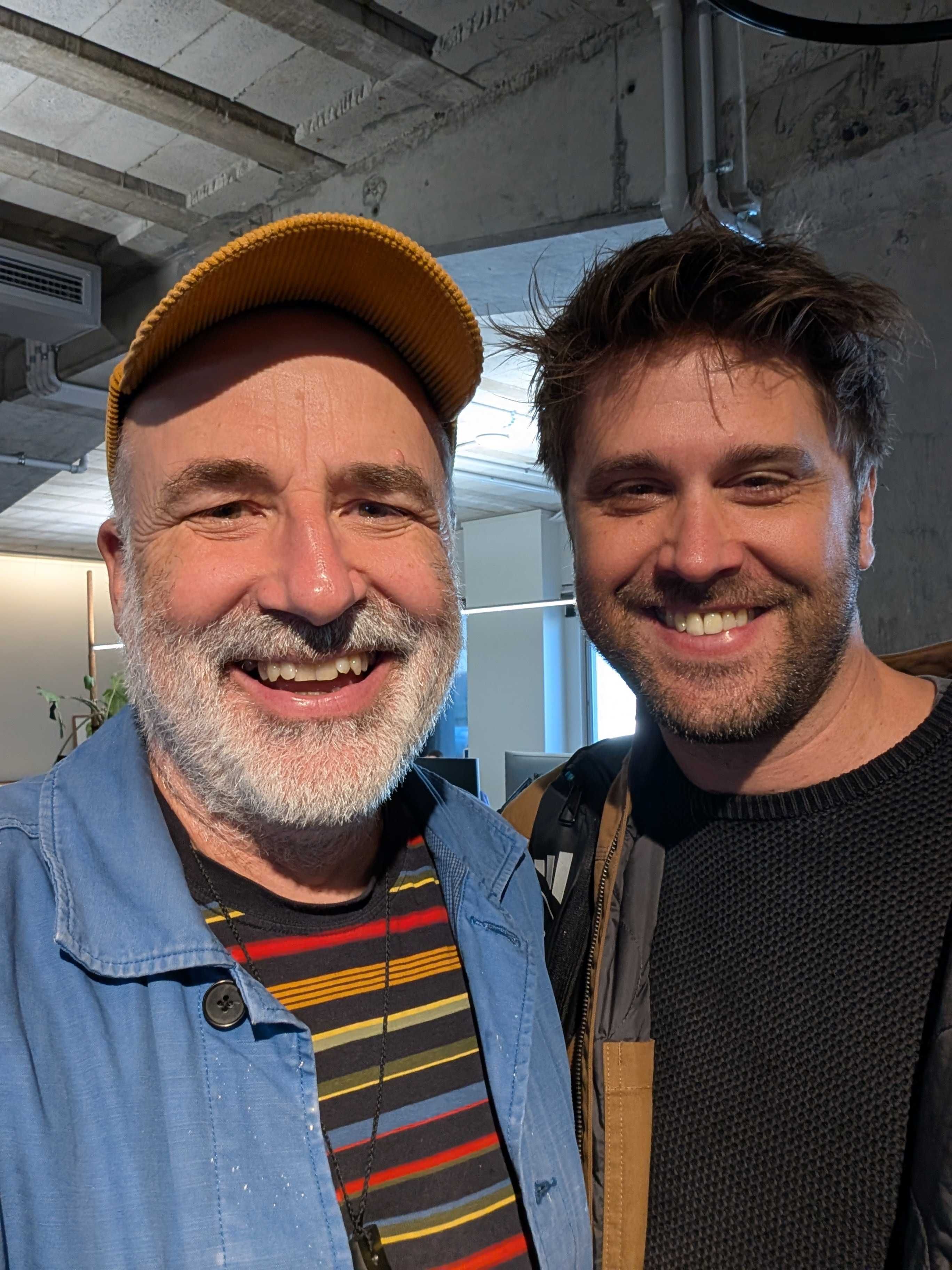
That approach was on display this week, as RTD co-founder Simon Dick visited New Zealand and attended the Fishing Federation Conference in Wellington with the Dragonfly team, spending time with industry representatives, regulators, and the fishers interacting with Deckhand reporting systems day-to-day.
“These are the people actually out there doing the fishing,” says Simon.
“That direct engagement is a critical part of how the platform continues to evolve. We make a point of spending time in ports and at industry events because we want people to know there are real people behind the platform, standing alongside them and helping them through the transition.”
Improving fisheries management through better data
That close connection to fishers is particularly important given the role digital systems now play in fisheries management.
At its core, fisheries management depends on timely, accurate data. However, historically, much of that information has been slow to collect and difficult to standardise. Digital tools like Deckhand allow fishers to record catch and effort data directly while at sea, reducing administrative burden and improving the flow of information into wider fisheries systems. Individual fisheries can also design their own data collection programmes within Deckhand, allowing fishers to collect the information that matters to them.
For Dragonfly Managing Director, Ed Abraham, the opportunity of Deckhand is in allowing fishers to develop and manage their own reporting system
“If fishers are able to rapidly respond to local pressures, such as depletion of a stock within a small-scale area, then they are able to improve the sustainability of the whole stock,” says Ed.
Improved data flow is already changing how fishers can understand what is happening in-season - with more timely reporting supporting more responsive decision-making, rather than relying on delayed reporting cycles.
A recent example of this is Bluff Oyster Fishery, using data collected by Deckhand to regularly monitor the health of their oysters and assess which areas are suitable for harvest,and which should be left alone to protect the sustainability of the oyster bed.
While Deckhand continues to support core compliance requirements, Ed says the broader opportunity lies in what becomes possible once fishers collect the information that supports their own management needs.
Future developments and global expansion
Looking forward, RTD is also continuing to roll out its data collection platform across Australia and the United States, where it is being used in a range of different fisheries and operational contexts.
RTD has recently launched an updated version of the platform in Alaska, with further deployments underway in North America. A New Zealand rollout is planned for 2027, with the updated system extending beyond iPad-only reporting to support mobile phones, including Android devices.
“There’s been a huge shift in the last few years, not just in technology, but in expectation,” says Simon. “We’ve taken the covers off a major evolution of the platform for the first time since 2017, and it’s built to be far more flexible and AI-ready.”
“Deckhand is effectively the same core application globally, but configured differently depending on the fishery and the regulations of that country. That’s what makes it work across such different environments.”
For Dragonfly, the focus remains on ensuring Deckhand delivers value within New Zealand fisheries, while also continuing to build on its wider fisheries science and management work internationally.
“There’s strong alignment in how we think about this work,” says Ed. “Practical tools, grounded in fishers’ needs, that help people make better decisions with better information.”
“It was great to have Simon on this side of the ditch, and to feel like our companies are bringing a bit of energy back into fisheries management!”
Read more:
- What this fishery reporting platform is - Deckhand.
- Read up on Real Time Data - Deckhand Logbook | About us.
- Learn more about the conference - New Zealand Federation of Commercial Fishermens.